
ISSUE GUIDE

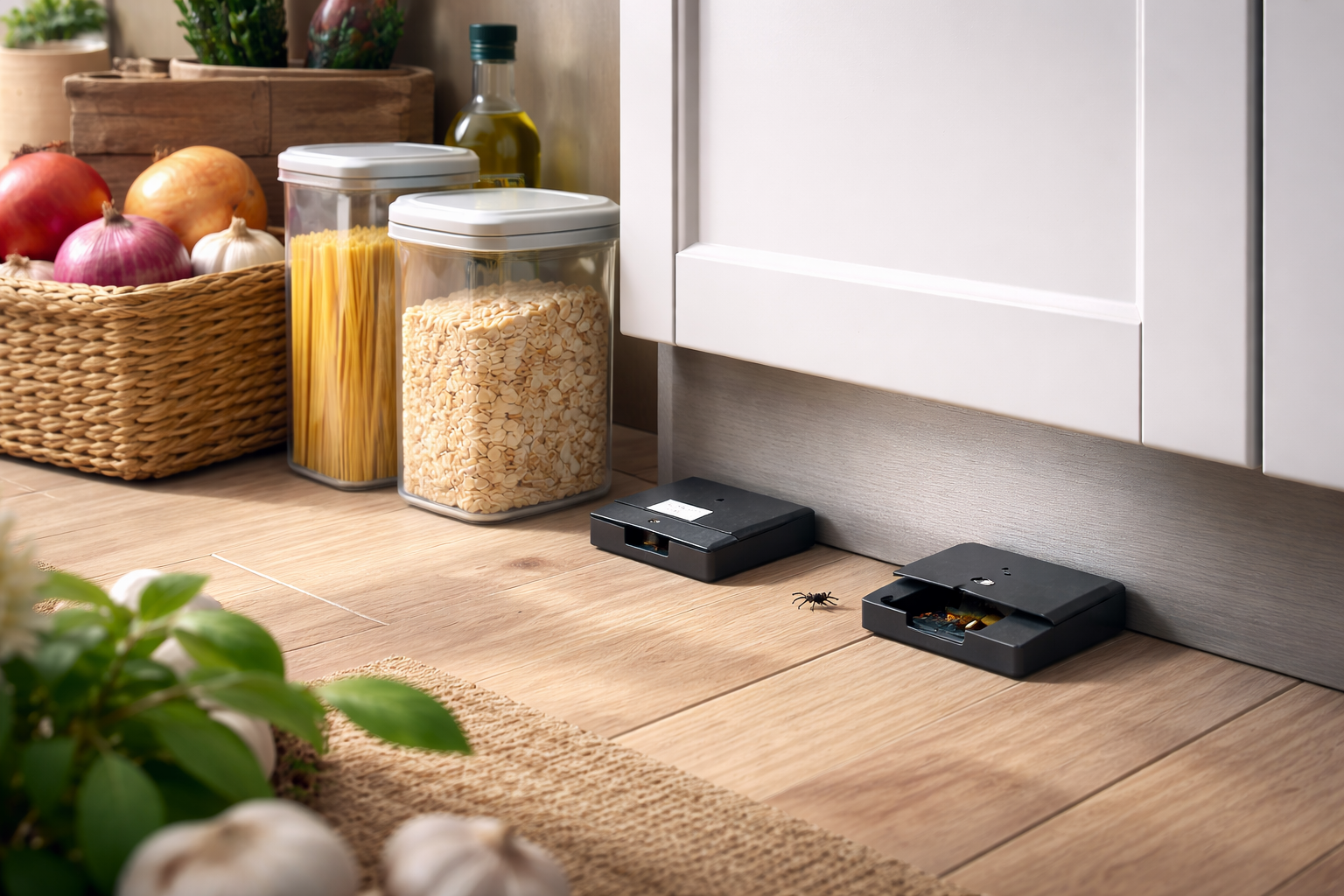
Kitchen baseboard area showing pest control monitoring traps and sealed food storage in a residential home

Pest Infestation in Home (Ants, Roaches, Rodents)

A pest infestation in your home can spread quickly, contaminate food, damage wiring and insulation, and create health risks—especially for kids and pets. Early identification and targeted treatment prevents recurring infestations and costly repairs.

Rodent droppings and nesting material can carry harmful pathogens. Avoid vacuuming droppings (can aerosolize particles). Keep children and pets away from baits and traps, and never mix cleaning chemicals.

RECOMMENDED PRO

WHAT THIS USUALLY MEANS

Pest activity usually indicates one or more underlying conditions:

  • Accessible food sources (crumbs, open containers, pet food)
  • Moisture from leaks/condensation that supports insects
  • Entry points around doors, vents, foundation gaps, and plumbing lines
  • Hidden nesting areas in attics, basements, crawlspaces, or wall voids

Effective control typically requires both treatment and exclusion so the infestation doesn’t return.

DIY-SAFE CHECKS

Safety first: Wear disposable gloves and a mask if you suspect droppings, nesting material, or heavy insect activity.

  • Check for active trails (ants), grease marks (rodents), or pepper-like droppings (roaches) along baseboards and under sinks.
  • Inspect food storage areas (pantry, pet food bins) for torn packaging, debris, or insect casings.
  • Look for entry points: gaps under doors, torn screens, utility line penetrations, foundation cracks, attic vents.
  • Check for moisture sources (leaks, condensation) that attract pests—especially under sinks and around appliances.

HOW TO FIX

DIY is reasonable for small, early infestations (e.g., a few ants). If you’re seeing daily activity, droppings, or nesting, skip to “When to Call a Pro.”

  • Remove attractants: Seal food, wipe crumbs/grease, store pet food in airtight containers.
  • Eliminate water sources: Fix drips, dry under sinks, run exhaust fans, use a dehumidifier if needed.
  • Block entry points: Add door sweeps, weatherstripping, and seal gaps around pipes with appropriate sealant.
  • Use targeted treatment: For ants, use bait stations (not sprays that scatter colonies). For roaches, use gel bait + sticky monitors.
  • Monitor: Place sticky traps along walls to confirm activity and track whether it’s improving.

If you see rodent droppings, nesting, or widespread roach activity, skip DIY—professional treatment plus sealing entry points is the fastest path to a real fix.

WHEN TO CALL A PRO

Call a licensed pest control professional if:

  • You see rodent droppings, scratching sounds in walls/attic, or chewed wiring/insulation.
  • There is daily roach activity or repeated infestations after DIY treatments.
  • There are signs of nesting or infestation spreading across multiple rooms.
  • You suspect termites, carpenter ants, or pests impacting structure.