Major Water Damage After Flooding
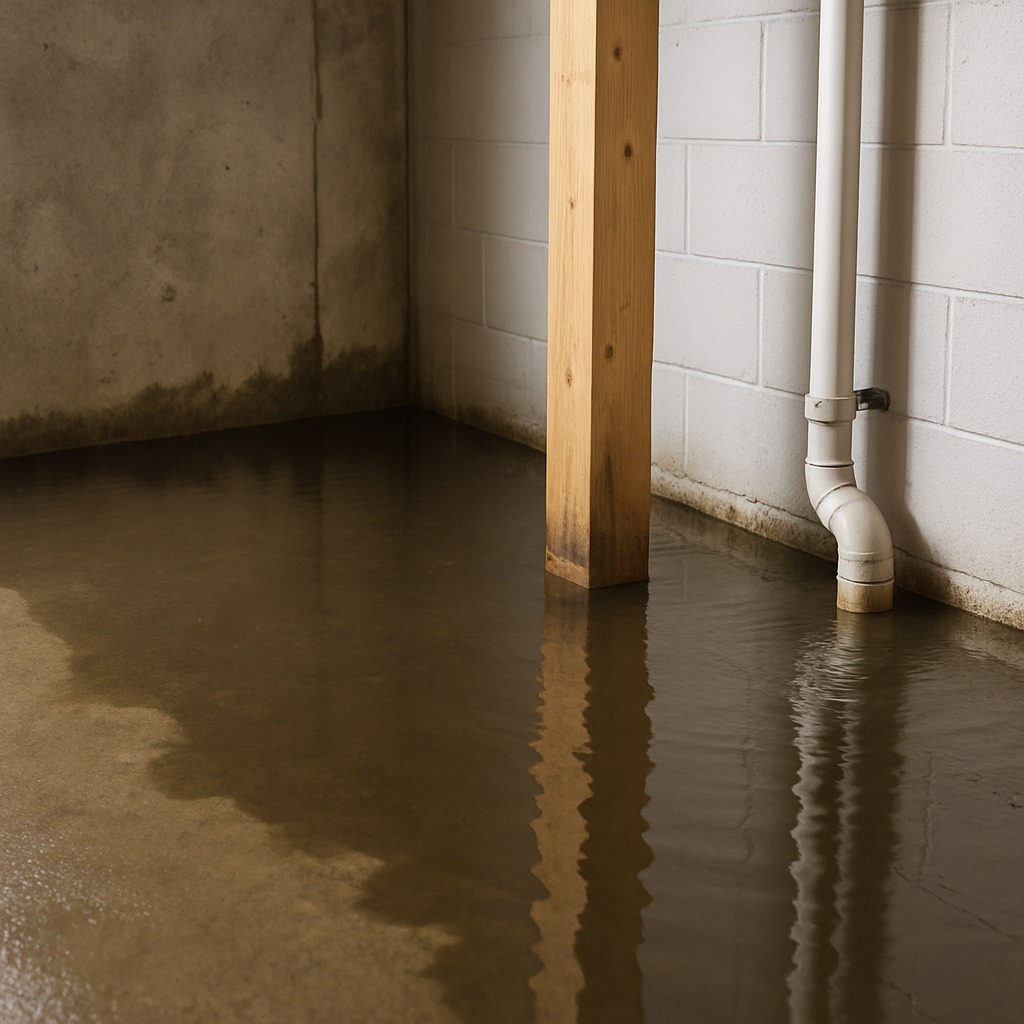
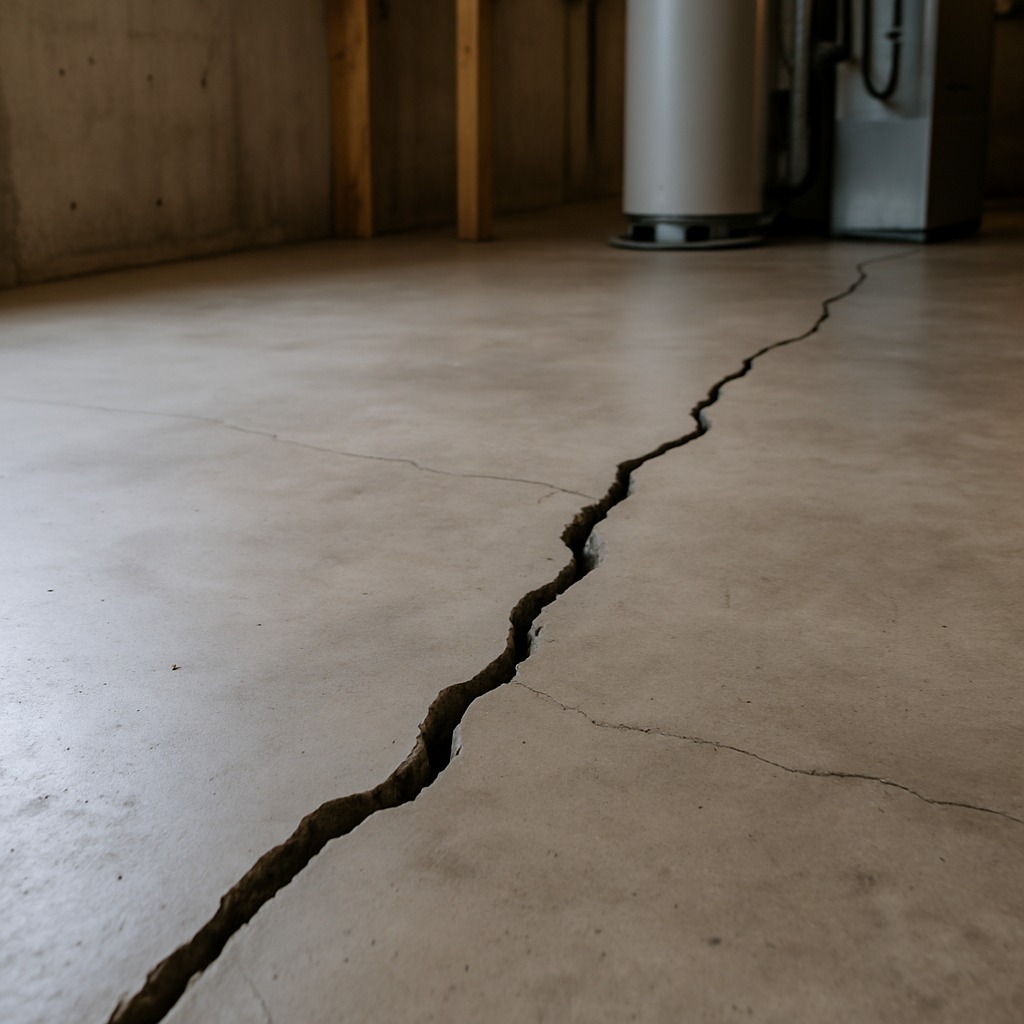
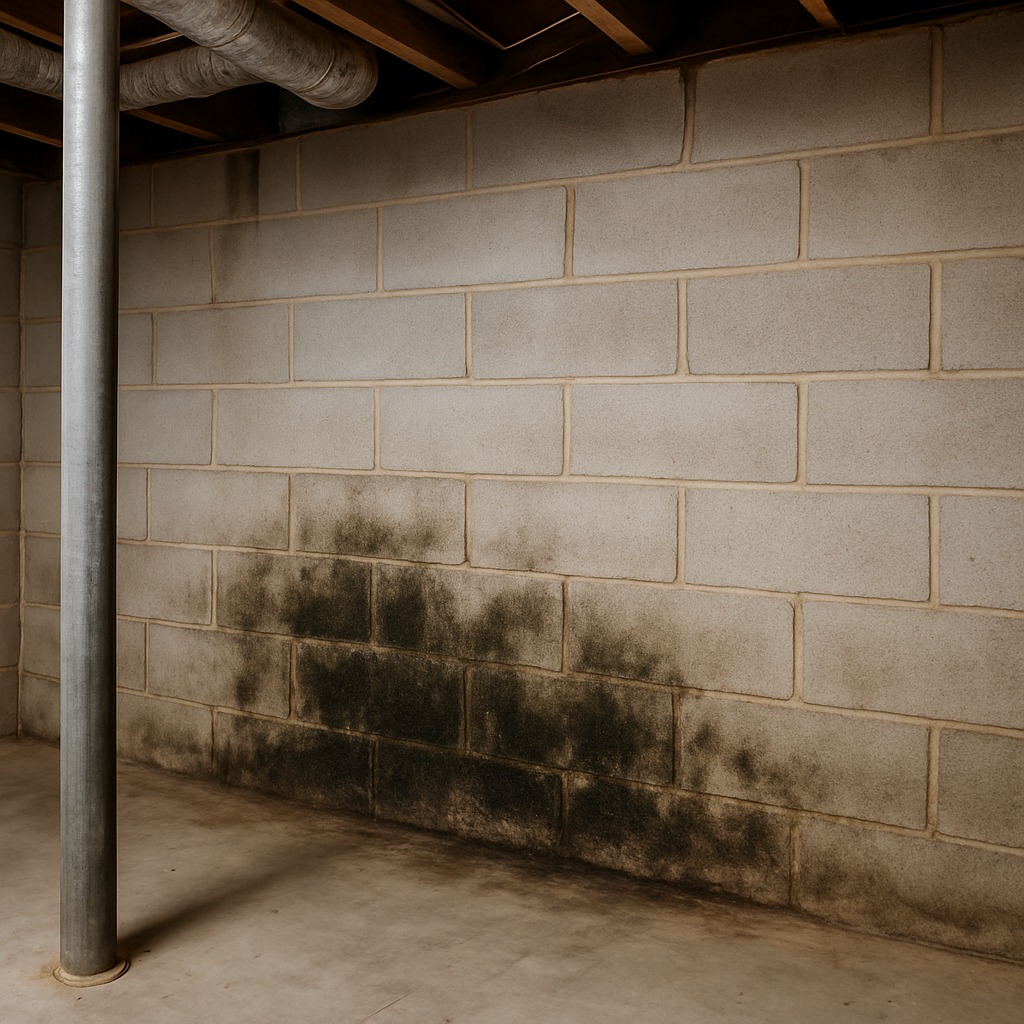
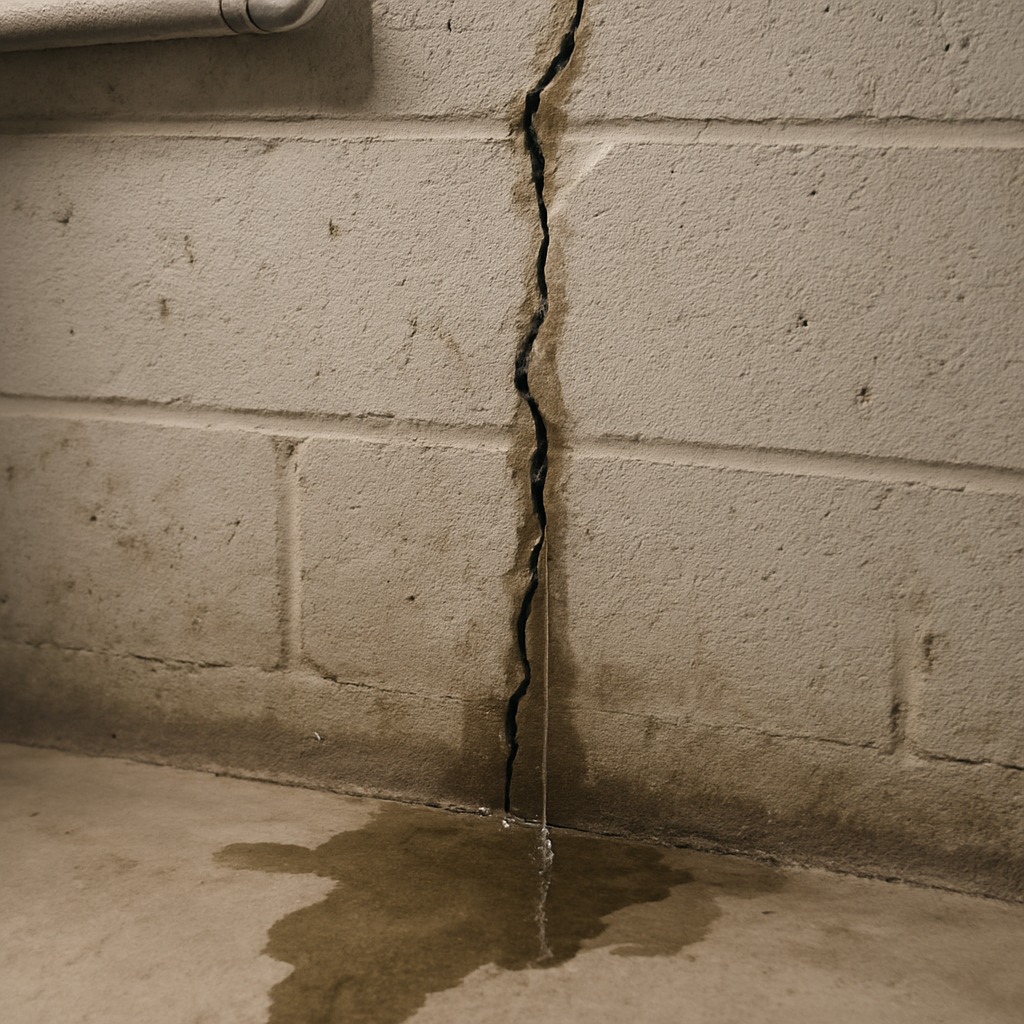
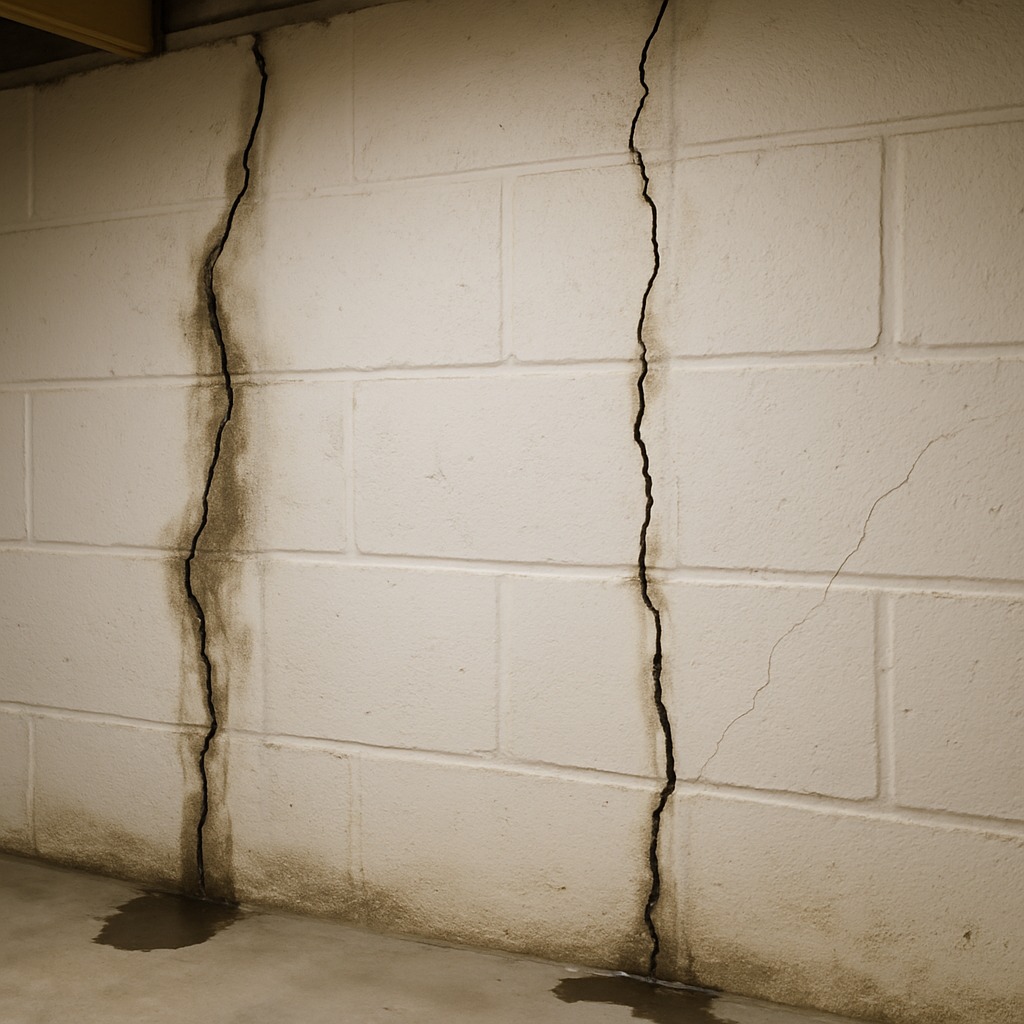
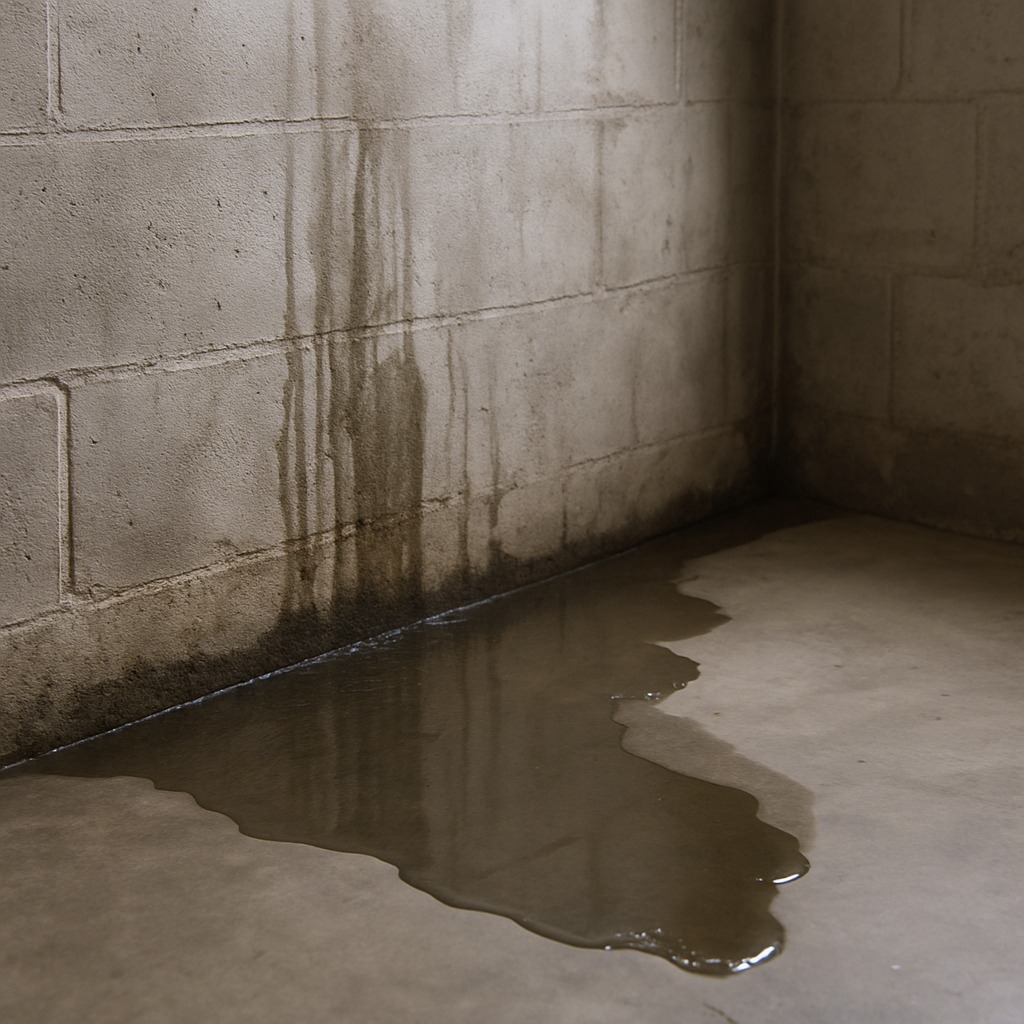
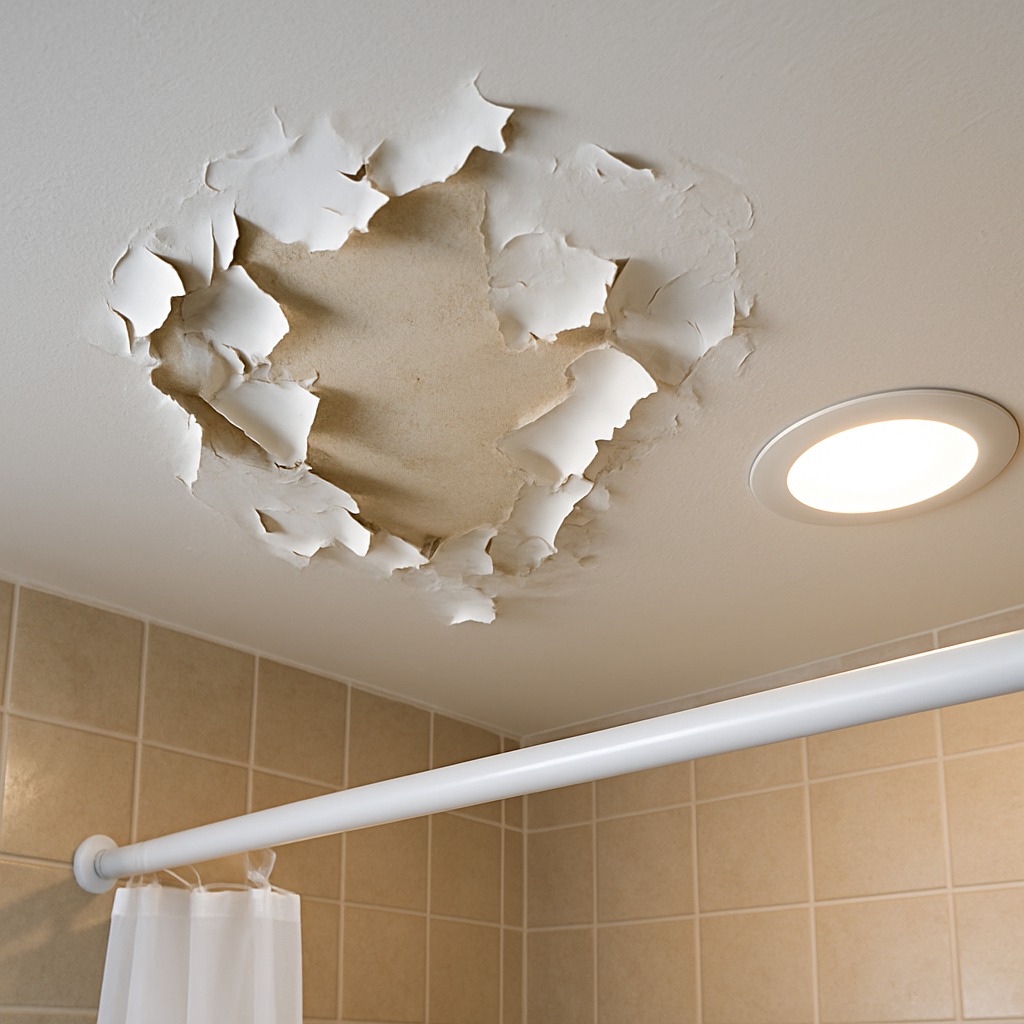
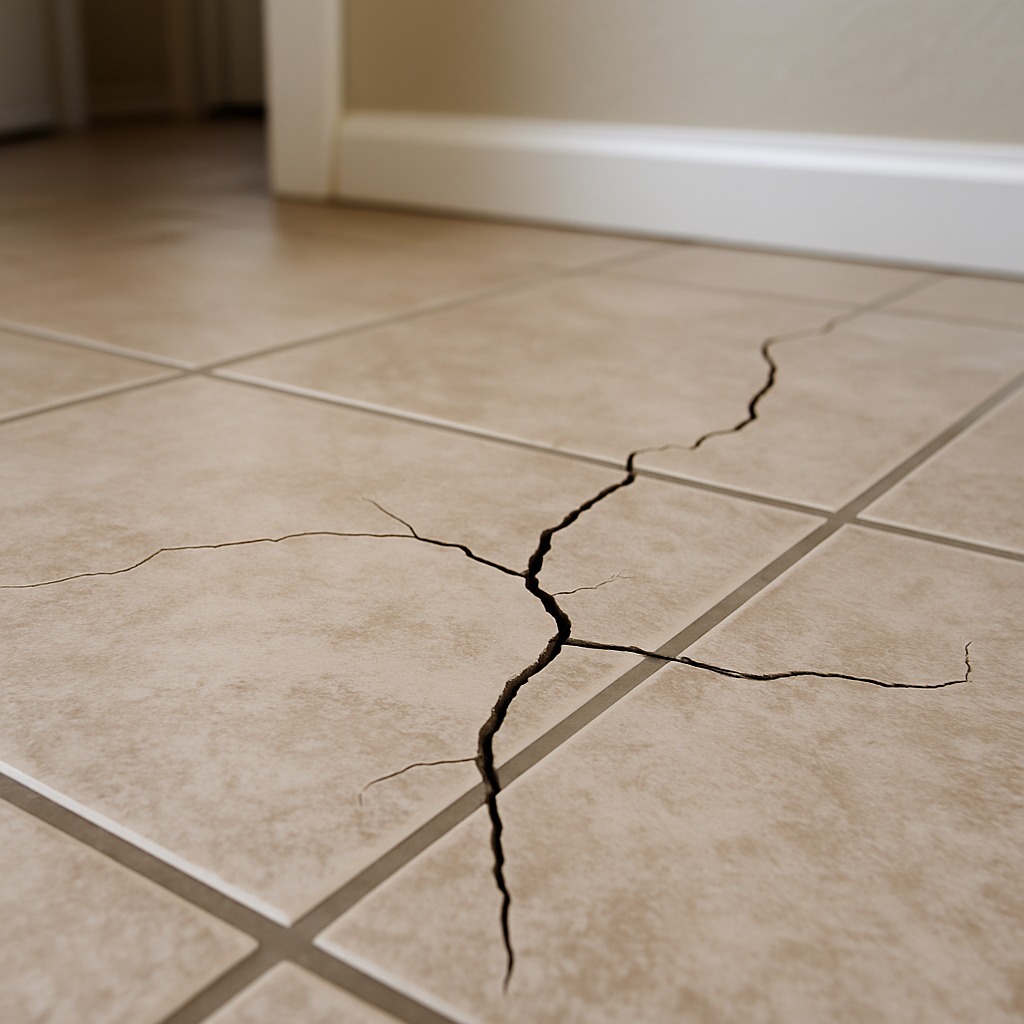
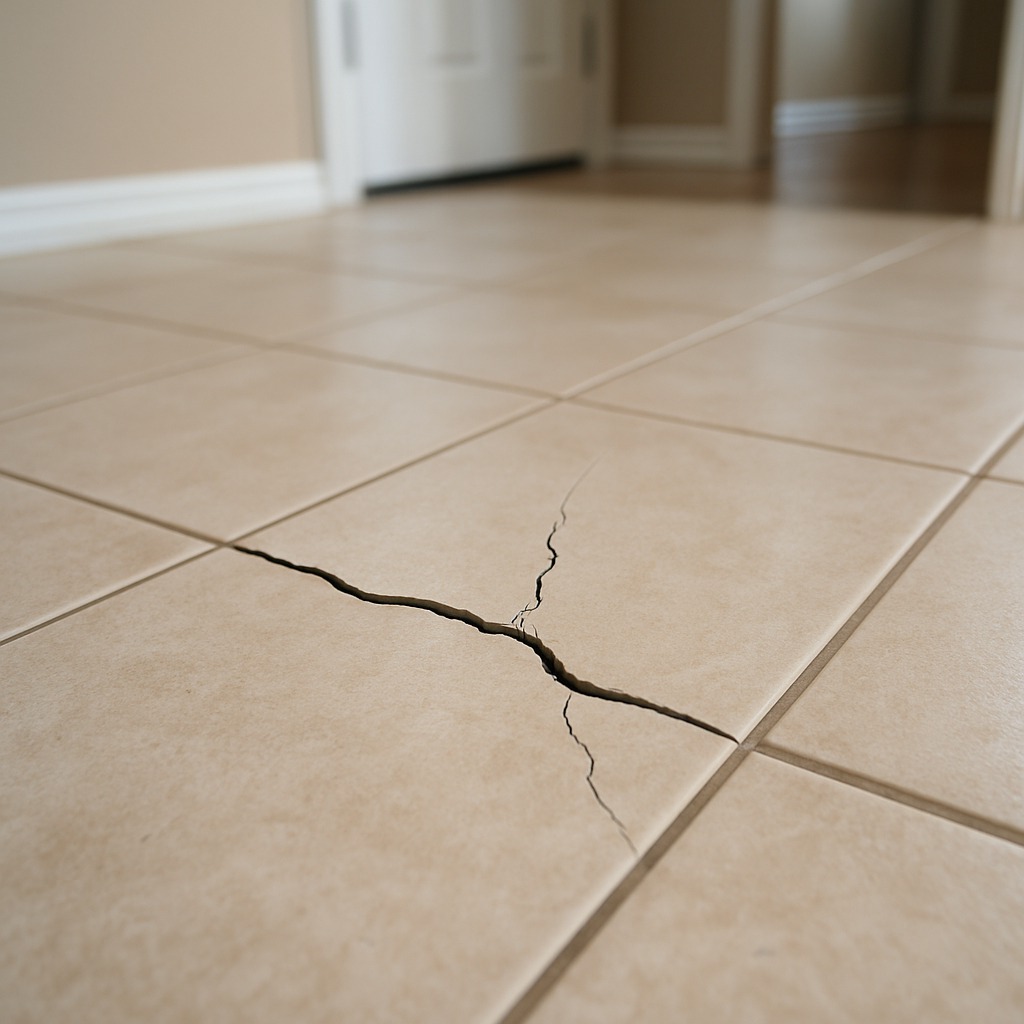
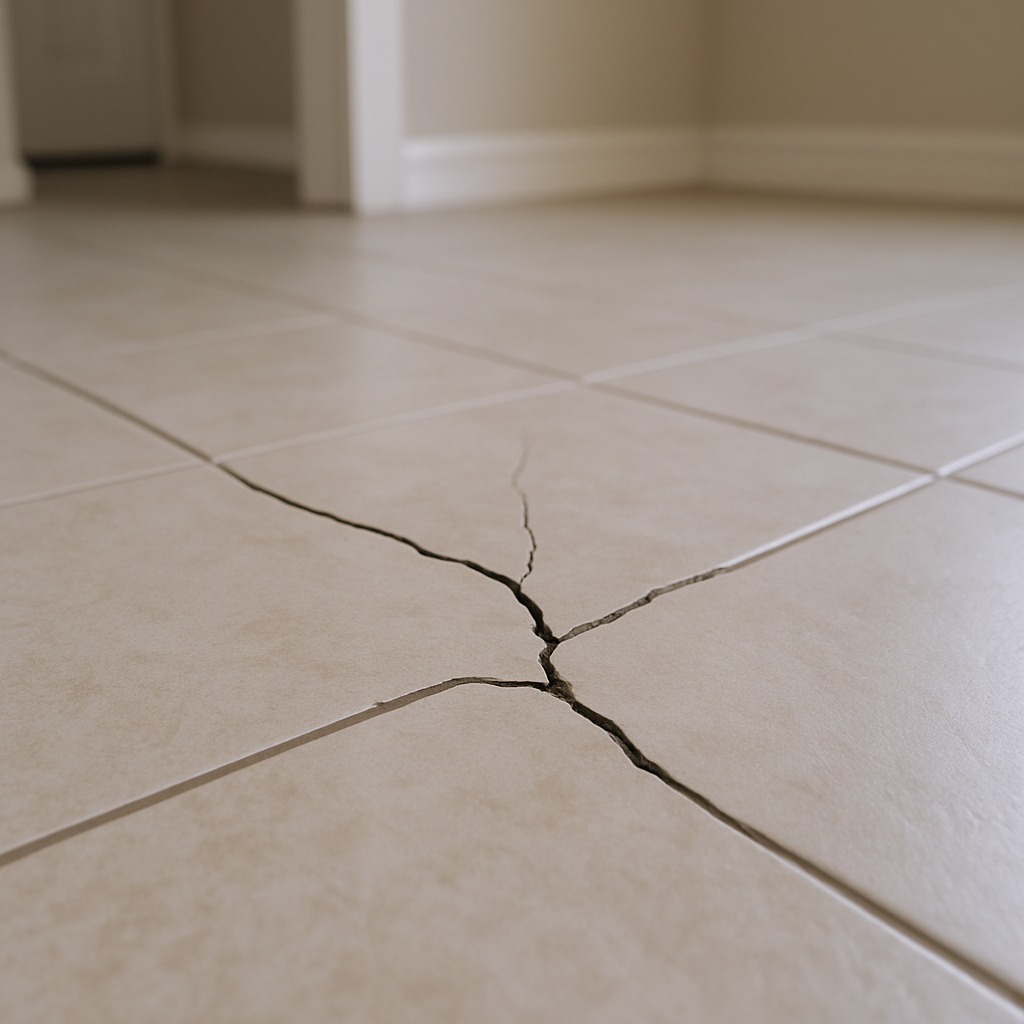
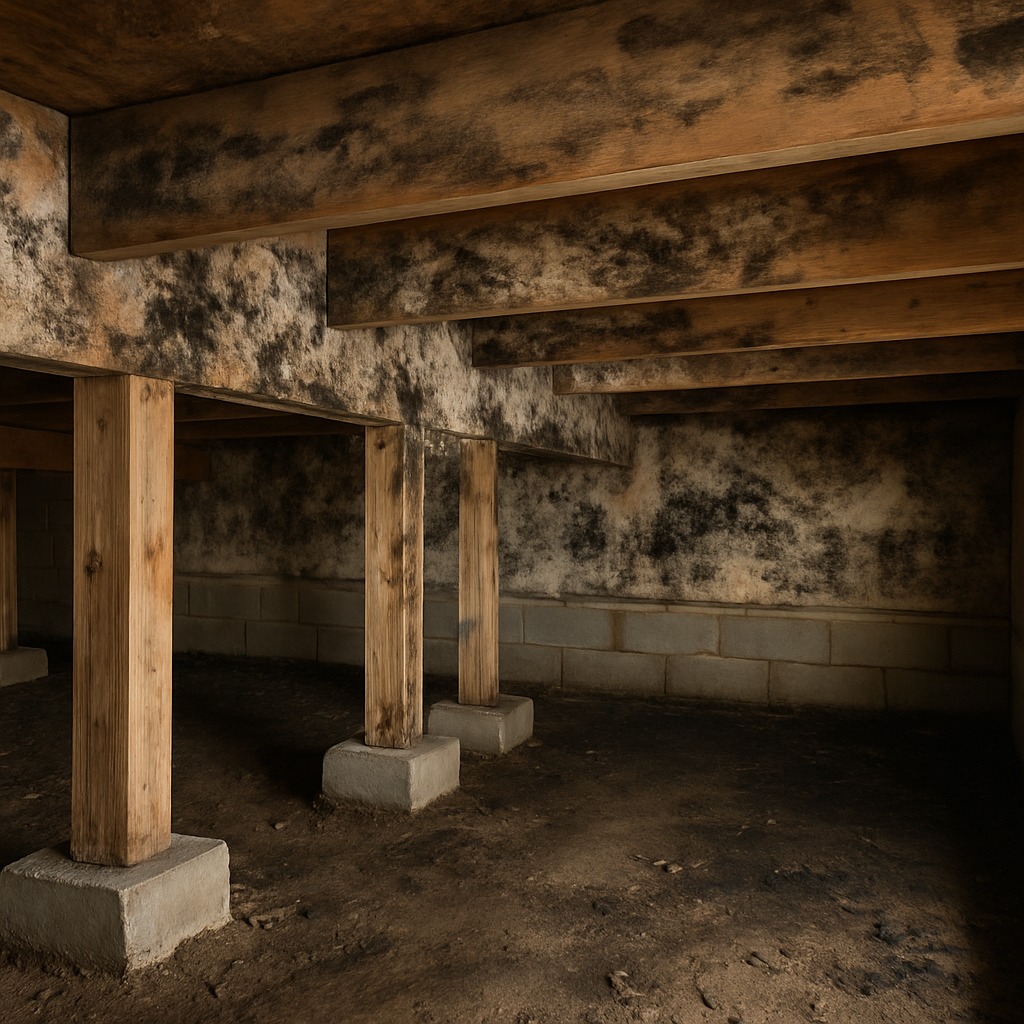
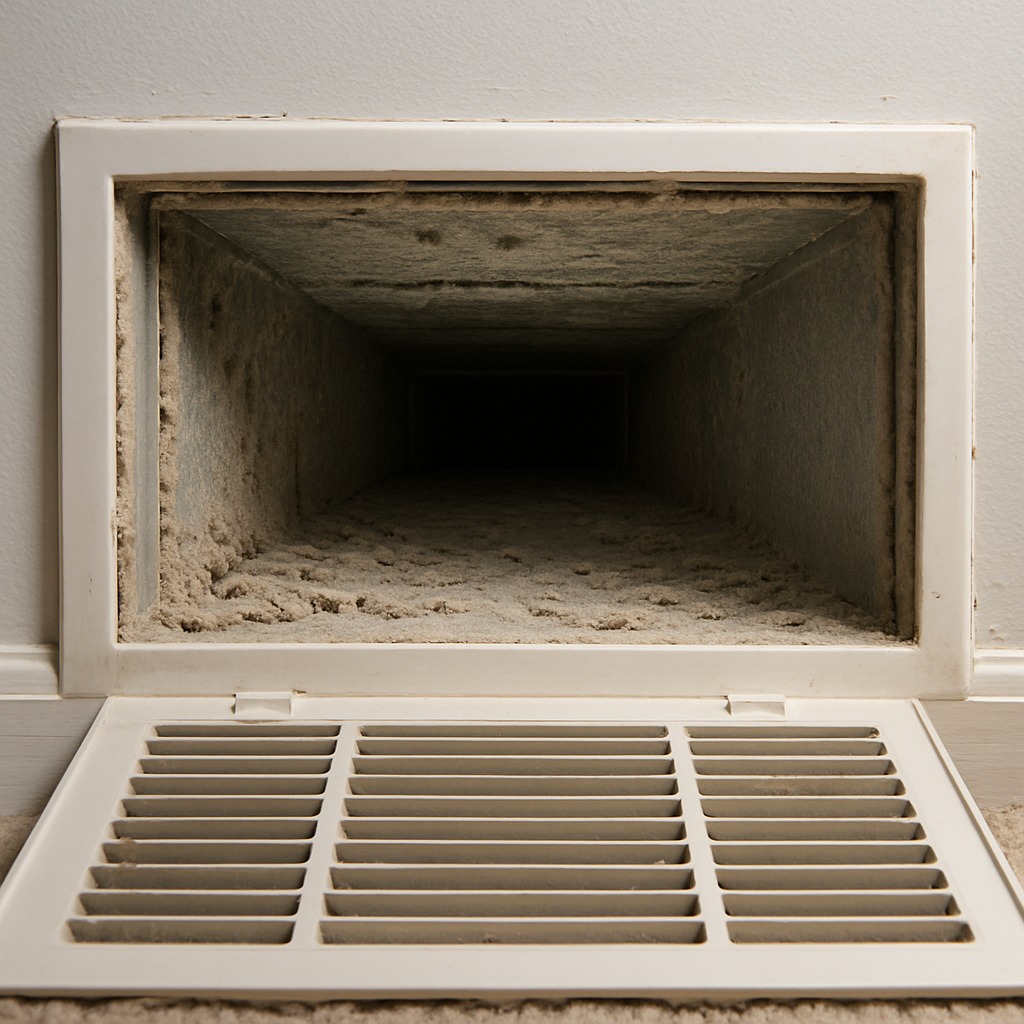
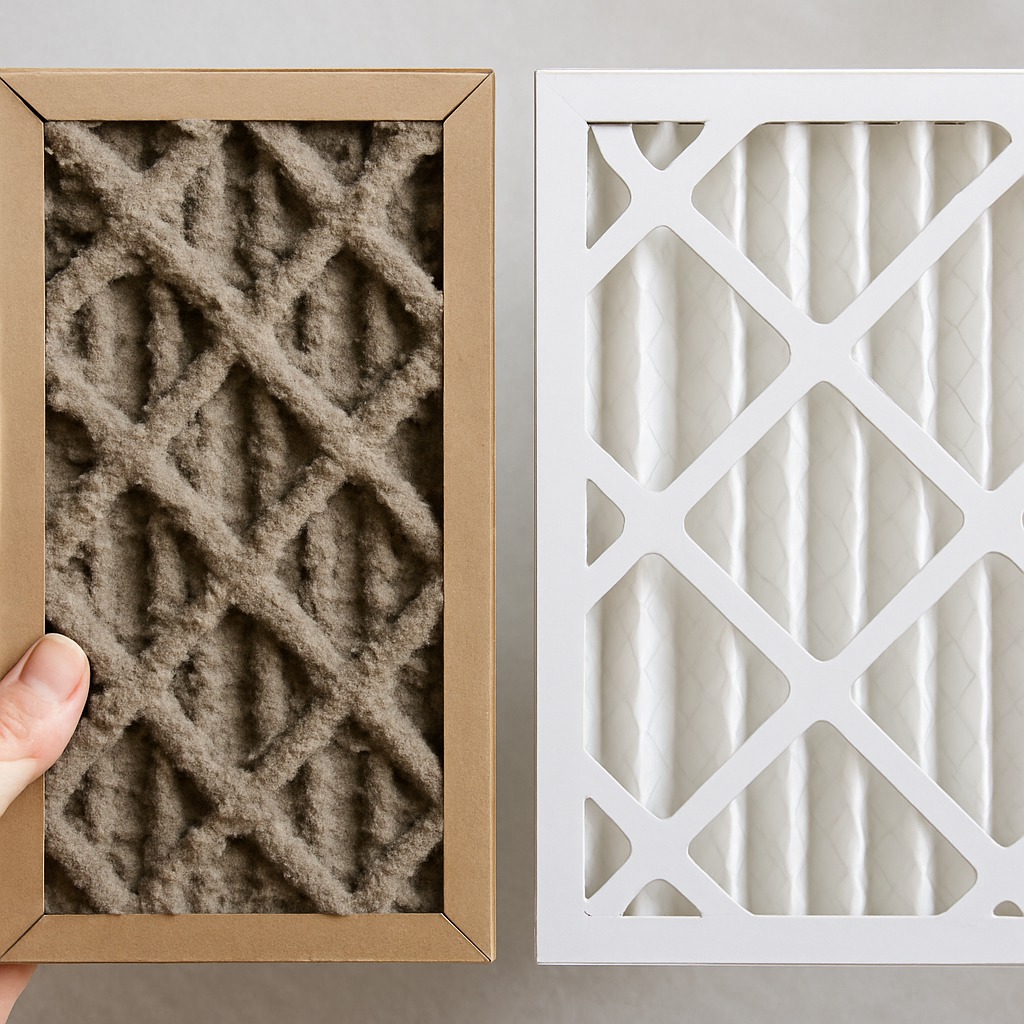
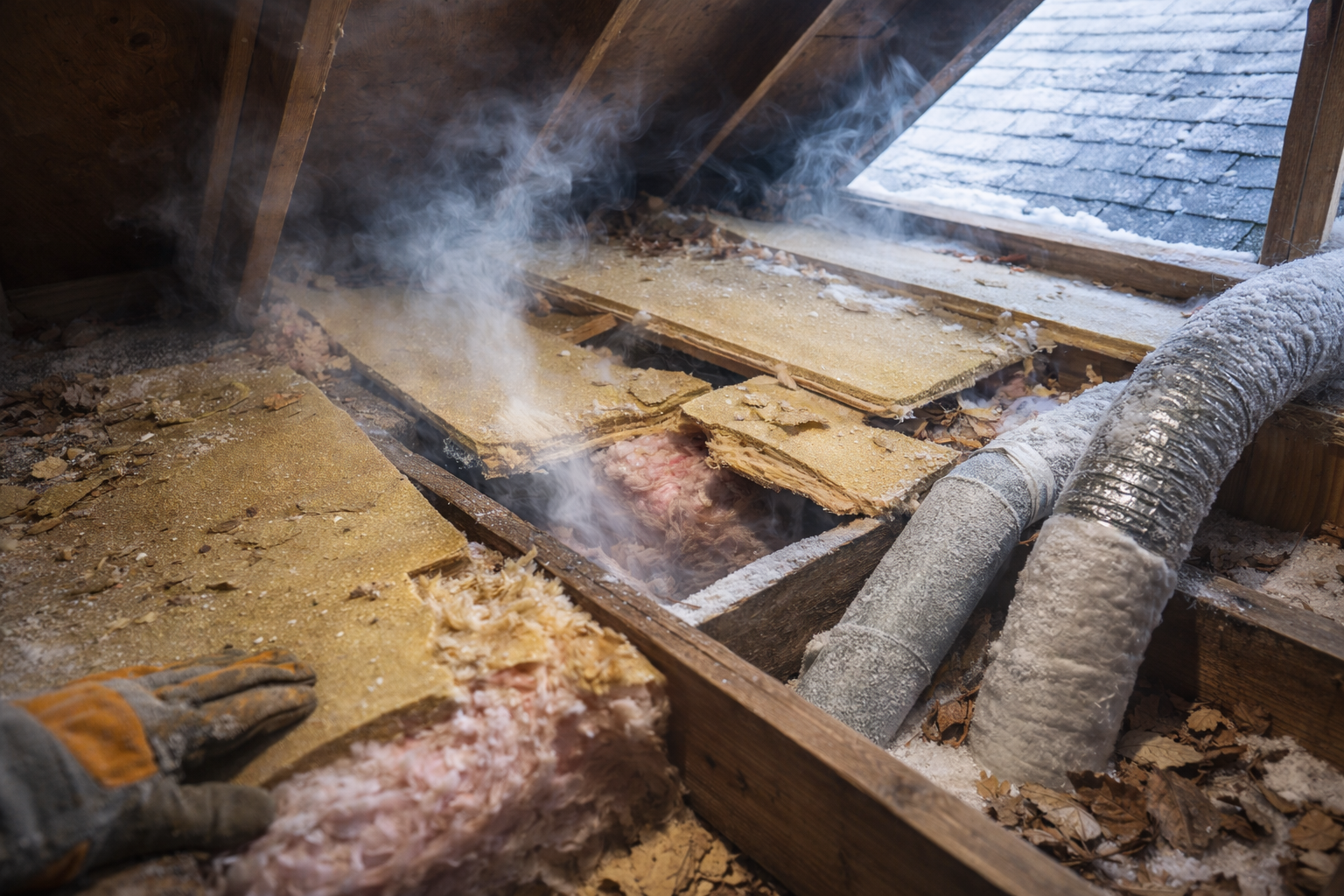
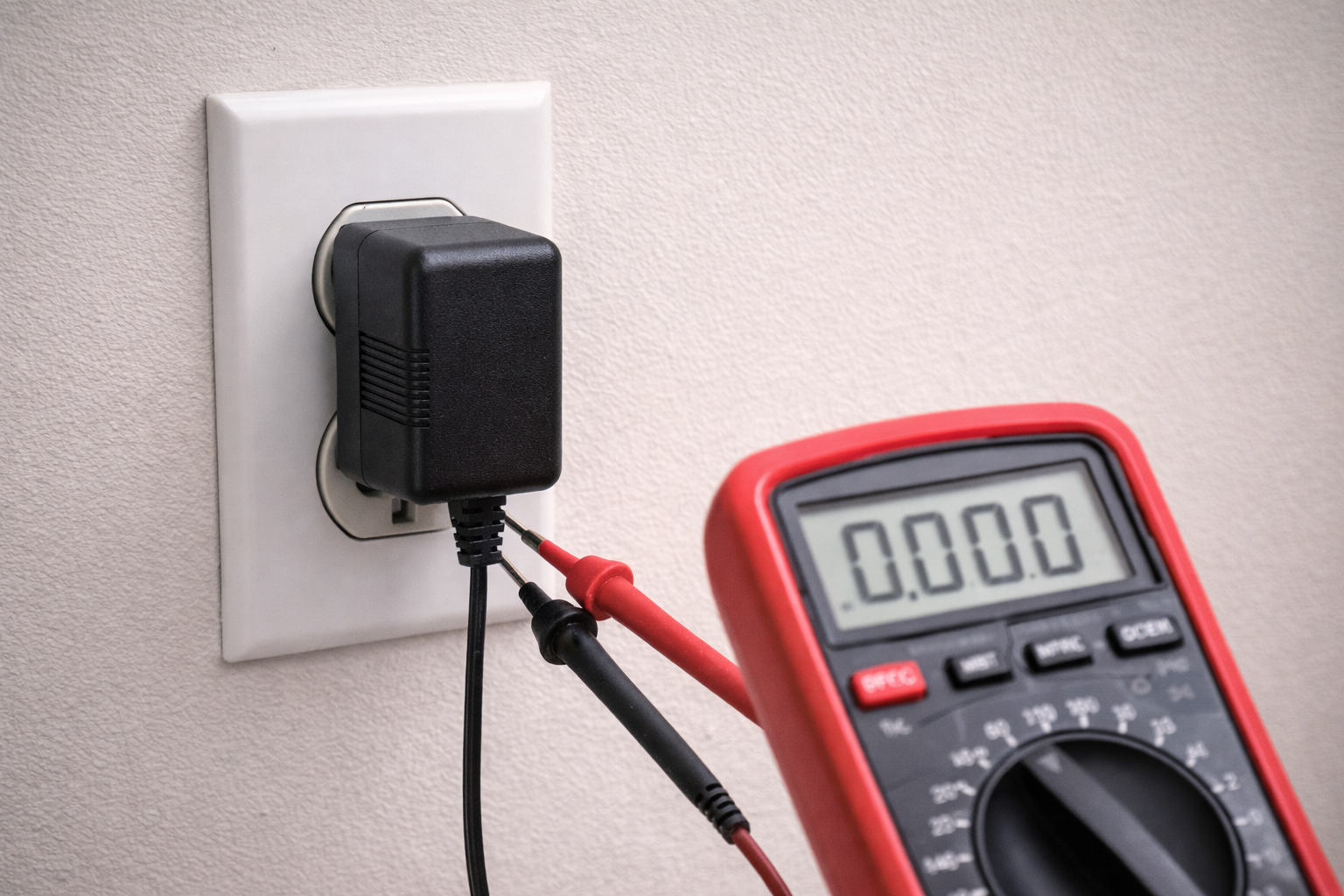
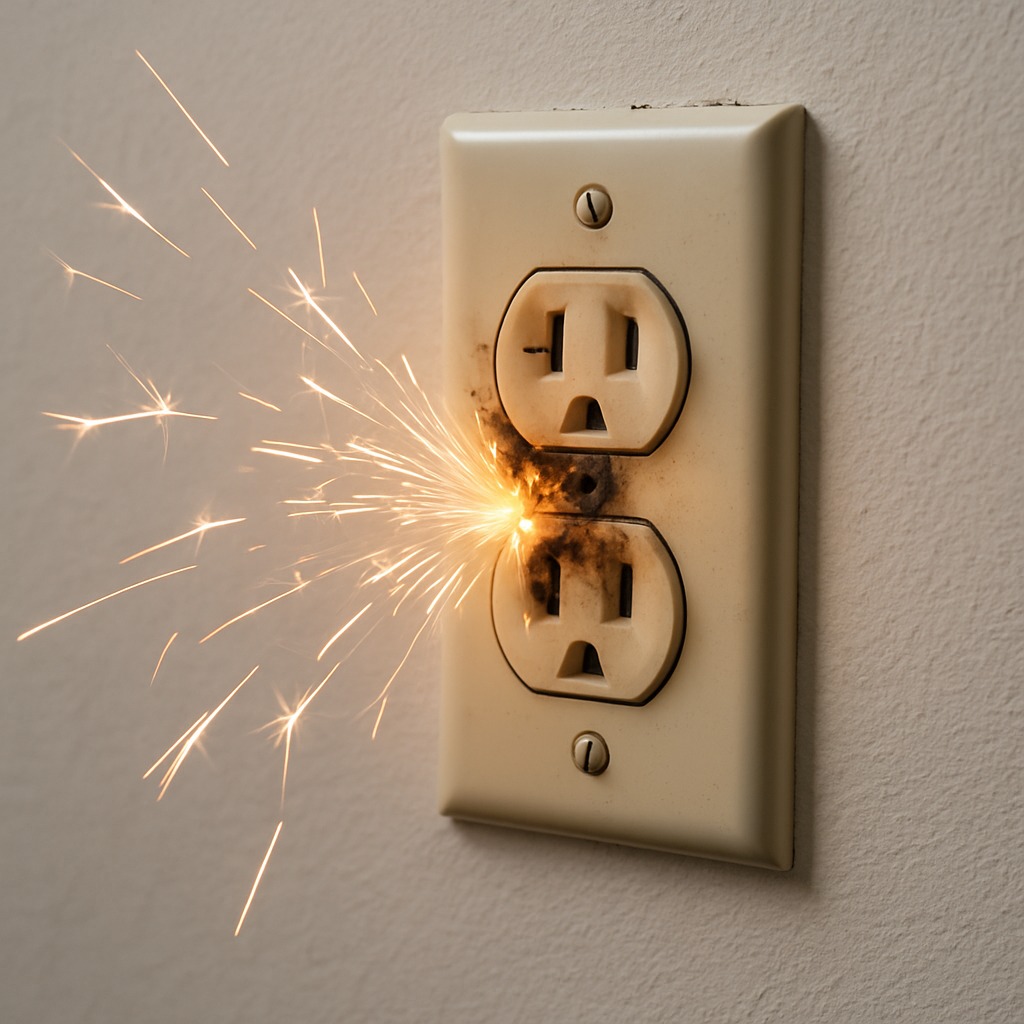
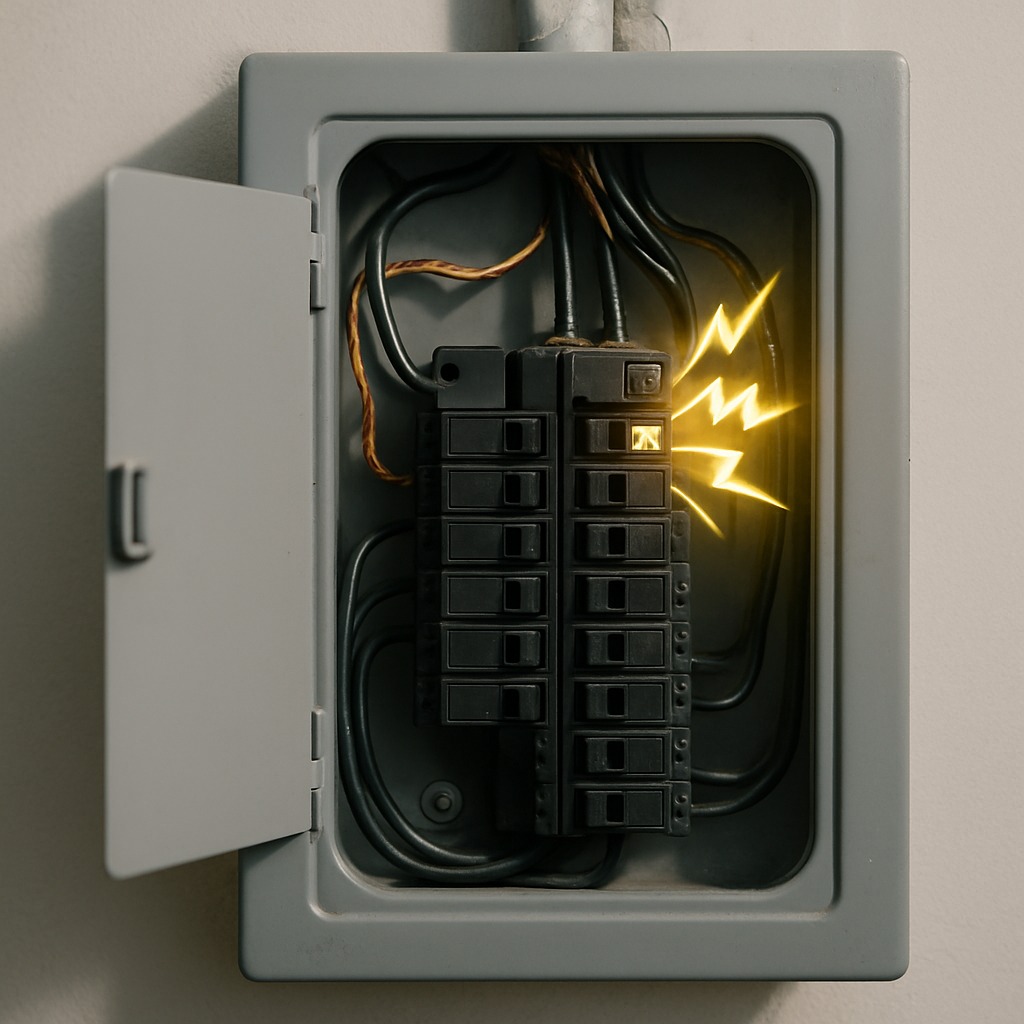
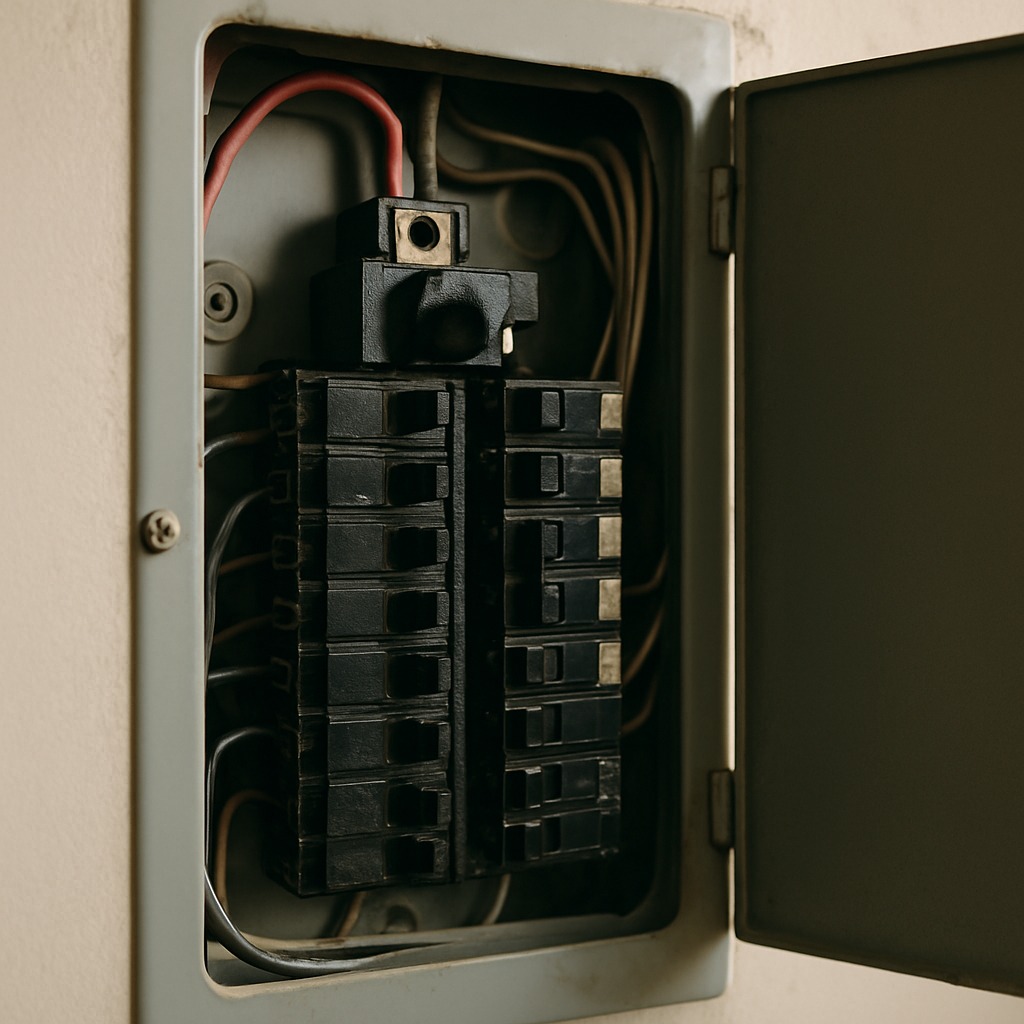
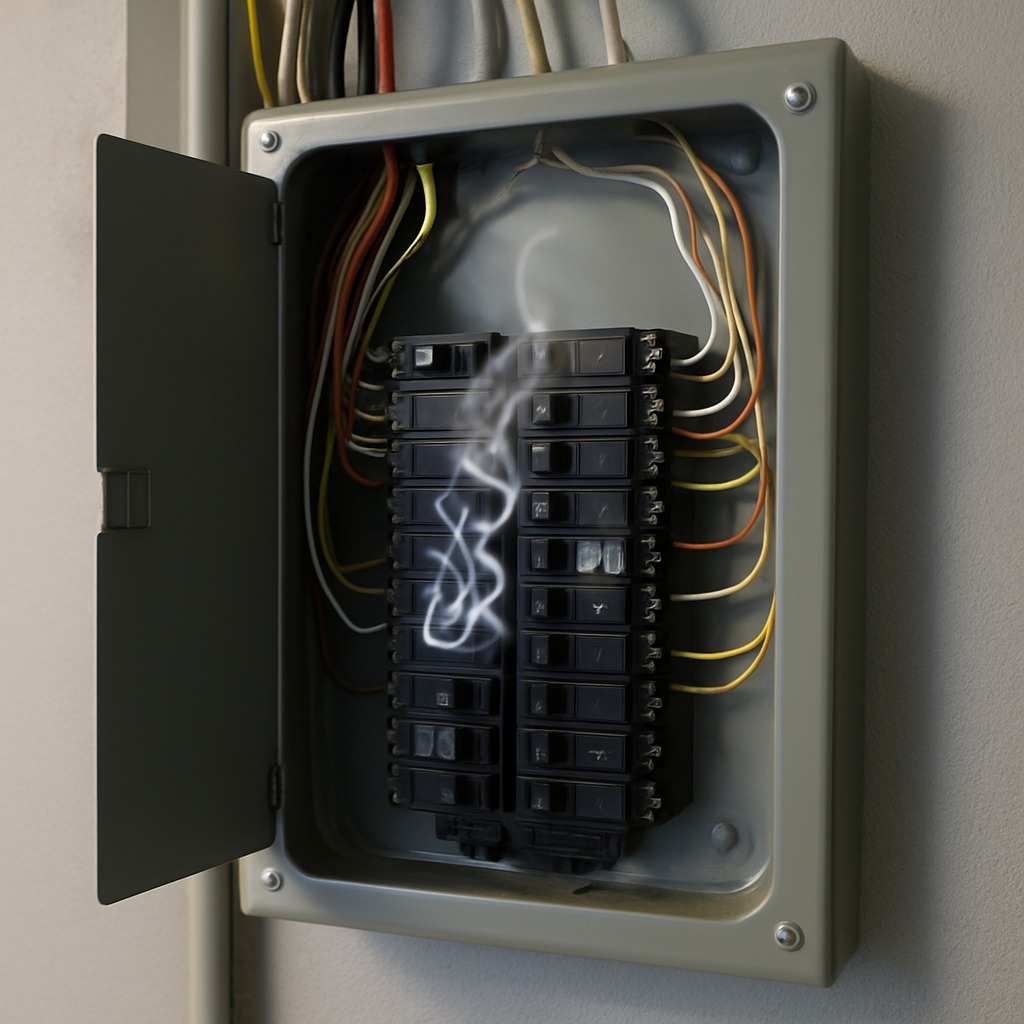
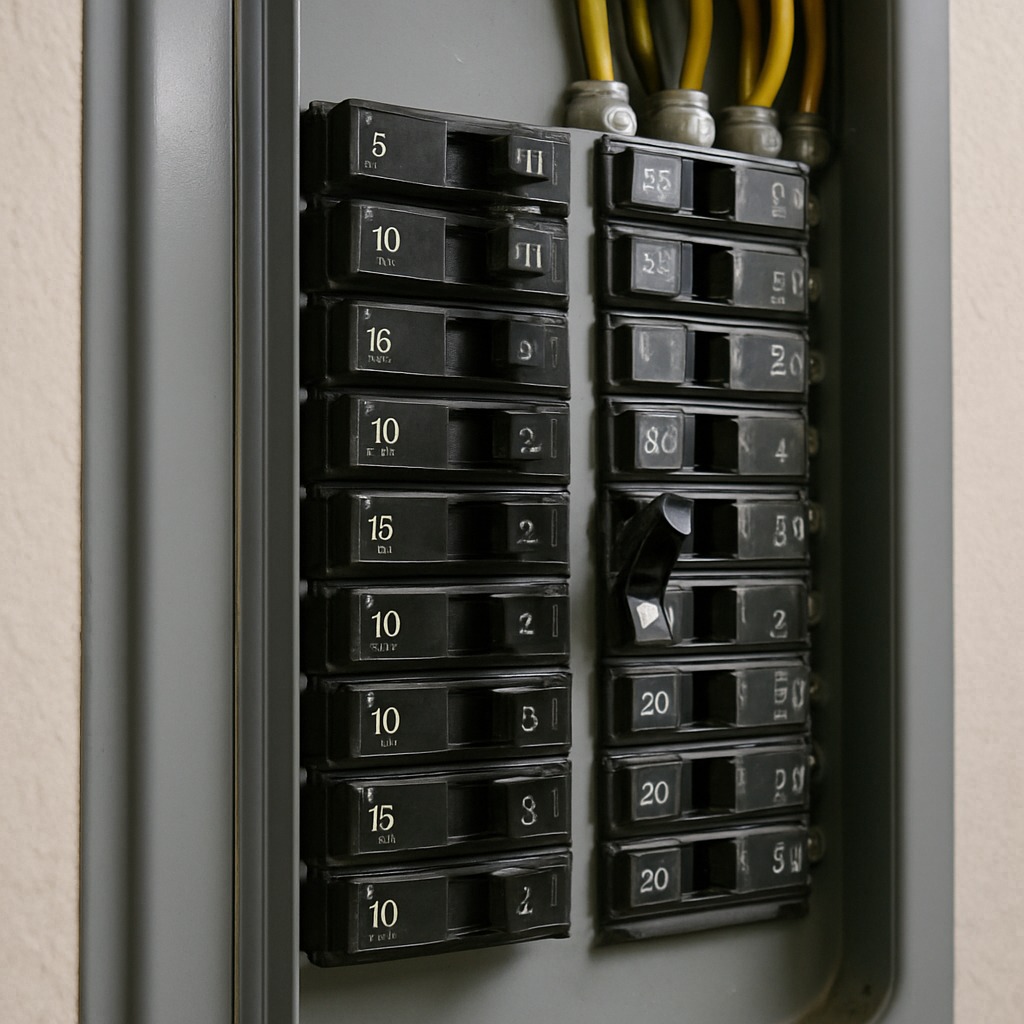
Major water damage after flooding is one of the most time-sensitive home emergencies because the first twenty-four to forty-eight hours strongly influence how much material can be saved.Flooding may come from stormwater, river overflow, groundwater intrusion, sewer backup, or an internal plumbing failure that saturates floors, walls, insulation, cabinets, and personal belongings.Once water enters a home in significant volume, the damage is not limited to what looks wet on the surface.Moisture travels into subfloors, wall cavities, trim assemblies, insulation, and HVAC materials, creating a much larger drying challenge than many homeowners expect.The type of water matters because clean supply water presents different cleanup requirements than gray water from appliances or black water from sewage and outdoor flood contamination.Fast extraction and controlled drying are critical, but so is documenting everything for insurance, identifying contamination risks, and preventing electricity, structural instability, and microbial growth from making the situation worse.Many homes need not only water removal, but also demolition of unsalvageable materials, moisture mapping, dehumidification, disinfection, and reconstruction planning.This guide helps homeowners focus on safety first, understand what can be checked without creating additional risk, and know when restoration professionals should manage the response.A disciplined approach protects health, supports claim documentation, and improves the odds of a full recovery instead of a drawn-out cycle of hidden moisture and repeat repairs.Large flood events overwhelm the normal boundaries between maintenance and emergency response, because the house effectively becomes a wet structure that must be stabilized before ordinary repair decisions make sense.Even materials that look intact can hold substantial hidden moisture, which is why professional meters and thermal tools are often needed to understand what is actually wet behind the surface.Time matters not only for drying but also for documentation, since insurance claims are stronger when water lines, damaged contents, and initial conditions are recorded before cleanup changes the scene.Different materials have very different salvage potential, so hardwood, tile, drywall, insulation, cabinetry, and upholstered contents should not all be treated with the same assumptions.Flooding that reaches crawl spaces, basements, or lower wall cavities can also affect air quality and structural durability long after the standing water is gone.The emotional side of a flood is real, and homeowners benefit from a step-by-step process that separates immediate safety tasks, documentation tasks, drying tasks, and reconstruction decisions.Restored conditions depend heavily on how quickly the home is dried to appropriate targets, not merely on how quickly visible puddles are removed from the floor.Clear communication among the insurer, restoration company, electrician, plumber, and rebuild contractor helps prevent duplicated work and missed hidden damage during recovery.If porous contents sit wet for too long, odor and microbial growth can turn a recovery job that was manageable on day one into a much larger disposal and cleaning project.After extraction, the home still needs careful follow-through so materials are not rebuilt over damp framing, subfloors, or insulation.
Water Damage Restoration Specialist