
ISSUE GUIDE

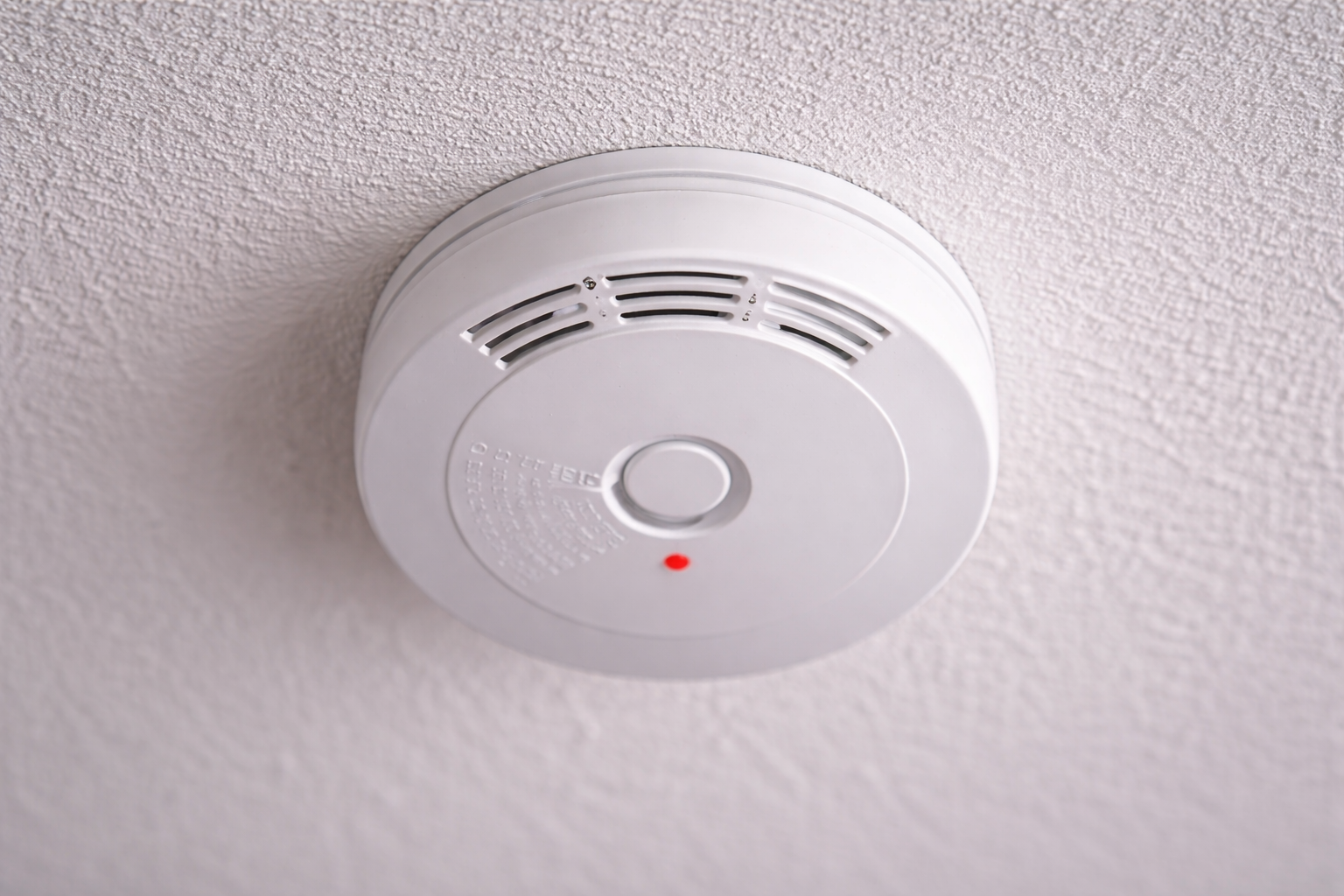
Smoke detector beeping on ceiling

Smoke Detector Beeping

Smoke Detector Beeping usually means low battery, end-of-life chirp, or a sensor issue. Because smoke alarms are life-safety devices, resolve it the same day and replace units that are expired.

If you smell smoke, see haze, or the alarm is sounding continuously, treat it as an emergency—evacuate and call 911. Never disable an alarm to silence a beep.

RECOMMENDED PRO

WHAT THIS USUALLY MEANS

  • Low battery (most common) causing periodic chirps
  • End-of-life warning (typically 7–10 years) requiring replacement
  • Loose connection on hardwired/interconnected alarms
  • Dust, humidity, or insects triggering sensor faults
  • Power interruption on hardwired units causing a chirp cycle

DIY-SAFE CHECKS

DIY-safe checks: Only work on the alarm if there is no active fire risk.

  • Identify if it’s a chirp (every 30–60 seconds) vs. a full alarm (continuous)
  • Look for a status light or small label indicating “Replace by” / manufacture date
  • If hardwired, confirm the breaker is on and the alarm is seated firmly on its bracket
  • Lightly vacuum vents to remove dust (no sprays or water)

HOW TO FIX

  1. Replace the battery with a fresh, name-brand battery (match type exactly).
  2. Press and hold Test/Reset for 10–20 seconds to clear the chirp memory.
  3. Clean the unit by vacuuming vents and wiping the exterior with a dry cloth.
  4. If the chirp returns and the unit is 7–10 years old, replace the detector.
  5. For hardwired/interconnected systems, replace all units of the same model/age for consistency.

DIY is often safe for battery replacement and cleaning, but do not leave a detector disabled. If the unit is old, replace it rather than troubleshooting endlessly.

WHEN TO CALL A PRO

Call a pro if the alarm is hardwired and continues chirping after battery replacement and reset, if multiple units are chirping, if the system is interconnected and acting erratically, or if you find damaged wiring. An electrician can test power/neutral issues, replace incompatible units, and ensure code-compliant placement.